The Structural Reality Behind Committee Power
Congressional committees are the primary gatekeepers of American legislation, but how they actually work stays pretty murky for most people watching from the outside. Here’s what the numbers look like: committees process roughly 10,000 bills annually across both chambers, with fewer than 4% ever making it to a floor vote. That filtering happens through a maze of procedural rules, informal norms, and institutional power structures that have been building up for more than two centuries.
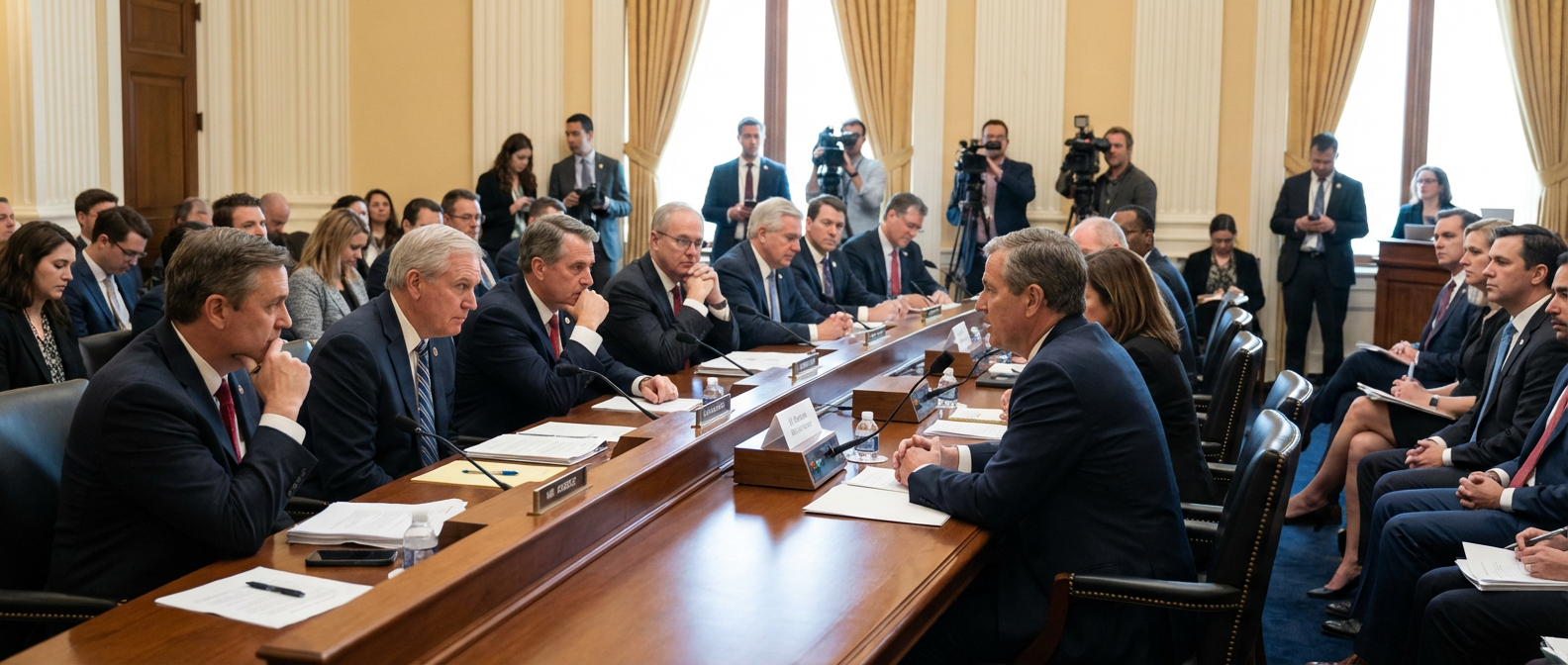
The whole thing rests on three basic foundations: jurisdictional authority, procedural control, and information asymmetries. Committee chairs have enormous discretionary power through their ability to set hearing schedules, control witness lists, and determine markup timing. This goes way beyond simple scheduling. Chairs can kill legislation by dragging their feet, speed up favored bills through expedited processes, or completely reshape proposals through the amendment process during markup sessions.
Ranking minority members have fewer formal powers but still pack significant influence through procedural motions, witness requests, and coalition-building opportunities. The minority can force recorded votes on amendments, demand additional hearings on specific topics, and invoke various delay tactics. These tools become particularly effective when combined with broader political strategy and public pressure campaigns.

The Information Ecosystem and Expert Networks
Committee effectiveness depends heavily on information acquisition and processing capabilities that vary wildly across different panels. Science and technology committees, for instance, routinely wrestle with technical complexity that’s way over most members’ heads. This creates dependency relationships with external expert networks, including academic institutions, think tanks, industry associations, and federal agency personnel.
The quality of committee deliberations often correlates directly with staff expertise and continuity. Senior committee staff members frequently know more about the institutional details than the elected officials they work for. These professionals maintain relationships with subject matter experts, track regulatory developments, and provide analytical frameworks that shape member understanding of complex issues. Staff turnover rates can really hurt committee institutional memory and analytical capacity.
Witness selection processes reveal another layer of information control. Committee chairs typically dominate witness lists for hearings, though minority members can request specific witnesses. The resulting panels often reflect deliberate strategic choices rather than neutral expertise representation. Looking at witness affiliations, previous testimony records, and policy positions gives you insights into committee priorities and potential legislative directions.
Procedural Mechanisms and Their Strategic Applications
The markup process is where the committee system’s most important work happens. Bills get detailed examination and modification through amendment procedures. Understanding markup dynamics requires recognizing that most significant negotiations happen before formal sessions begin. Committee staff coordinate extensively with member offices, interest groups, and agency officials to identify potential amendments and gauge support levels.
Amendment strategies during markup reveal member priorities and coalition structures. Strategic amendments can work multiple angles: signaling position differences, creating voting records for electoral purposes, testing support for future legislation, or genuinely improving bill language. The amendment process also gives minority members opportunities to reshape legislation or force majority members into difficult votes.
Committee report language carries legal significance that goes far beyond simple legislative summaries. Federal agencies rely heavily on committee reports when developing implementation regulations, and courts reference report language when interpreting statutory meaning. The report-writing process is a crucial opportunity for shaping policy outcomes even when bill language stays unchanged.
Power Dynamics and Institutional Constraints
Committee autonomy works within broader institutional constraints that significantly limit independent action. Leadership structures in both chambers maintain various control mechanisms over committee activities. House rules give the Speaker substantial authority over committee assignments, while Senate procedures provide individual members greater influence through holds and filibuster threats.
Budget reconciliation processes show how broader institutional rules can override normal committee procedures. When legislation moves through reconciliation, committees face strict deadlines and limited amendment opportunities. This acceleration bypasses many traditional committee gatekeeping functions and concentrates power in leadership hands. Similar dynamics emerge during lame-duck sessions or when approaching debt ceiling deadlines.
Committee jurisdiction disputes reveal ongoing tensions within the institutional framework. Multiple committees often claim jurisdiction over emerging policy areas, creating coordination challenges and strategic maneuvering opportunities. Technology policy, cybersecurity, and climate change represent current battlegrounds where jurisdictional boundaries remain contested. These disputes reflect deeper questions about institutional adaptation to changing policy realities.
Evidence Patterns and Analytical Frameworks
Looking systematically at committee outputs reveals distinct patterns across different policy areas and political configurations. Committees handling constituency-focused issues like agriculture or veterans affairs typically show higher bipartisan cooperation rates than those managing ideologically divisive topics. These patterns persist across different partisan control scenarios, suggesting institutional factors beyond simple political alignment.
Hearing frequency and witness diversity metrics provide quantifiable measures of committee engagement with specific issues. Committees that hold frequent hearings with diverse witness panels typically produce more comprehensive legislation, though correlation doesn’t necessarily indicate causation. The relationship between hearing activity and legislative output varies significantly across committees and policy areas.
Committee amendment success rates during markup sessions offer insights into internal dynamics and member influence patterns. High amendment success rates may indicate either strong bipartisan cooperation or weak chair control. Low rates might reflect either tight leadership discipline or genuine consensus around proposed legislation. Context matters enormously when interpreting these metrics.
The committee system’s complexity rewards sustained attention and careful analysis rather than surface-level observation. Effective democratic participation requires understanding these institutional mechanisms and their real-world consequences. What questions about committee operations do you find most pressing as we approach the next congressional session?