The Scaffolding Collapsed, Then Something Unexpected Happened
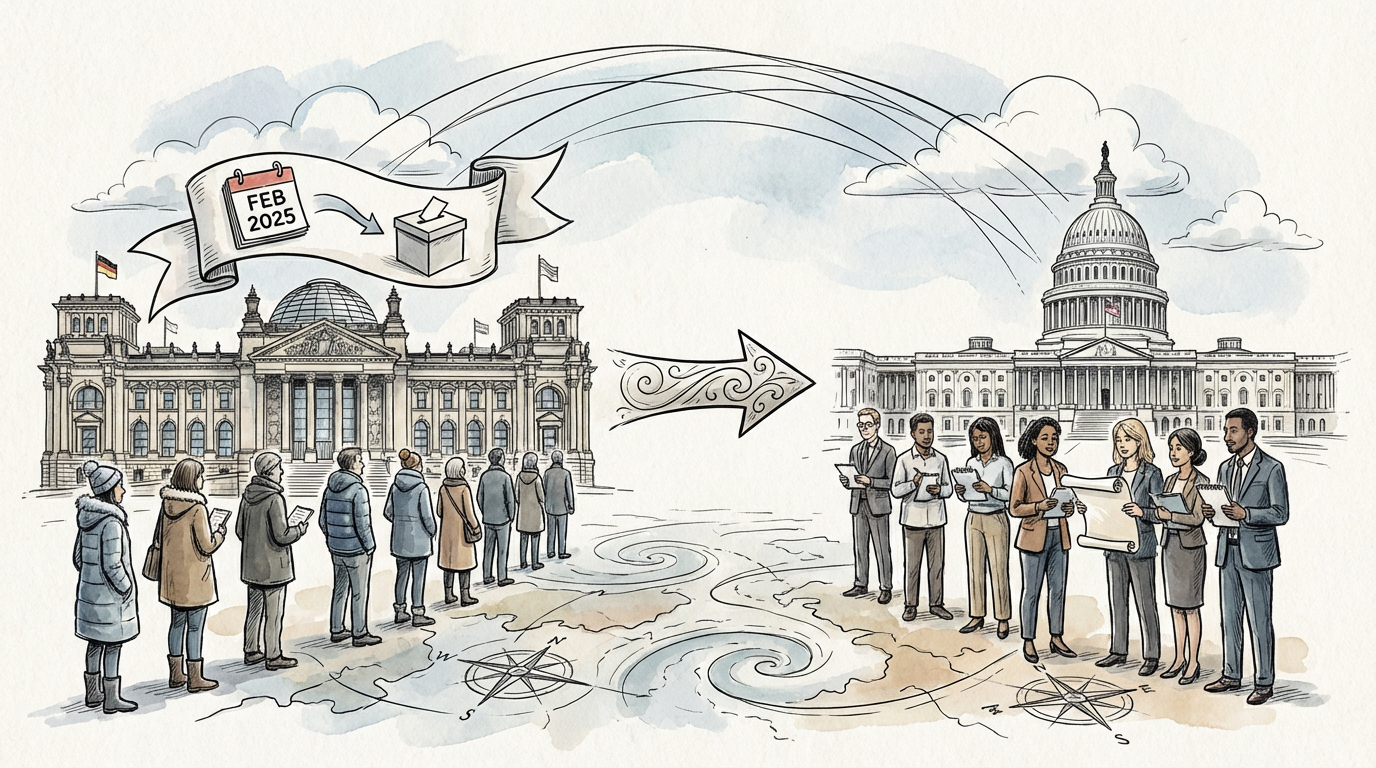
Germany’s political system fractured spectacularly in late 2024 when Chancellor Olaf Scholz’s three-way coalition government simply stopped functioning. The proximate cause was pedestrian: a budget dispute over how to finance climate investments. The underlying reality was far messier. Scholz had boxed himself into a corner by refusing to invoke emergency budget provisions that would have required acknowledging the coalition’s fundamental incompatibility. So instead, he called a snap election for February 23, 2025. This triggered something unexpected: voters actually showed up. The turnout hit 84.4 percent, the highest for any German federal election since 1987. That’s not a coincidental detail. That’s the foundation for understanding everything that followed.
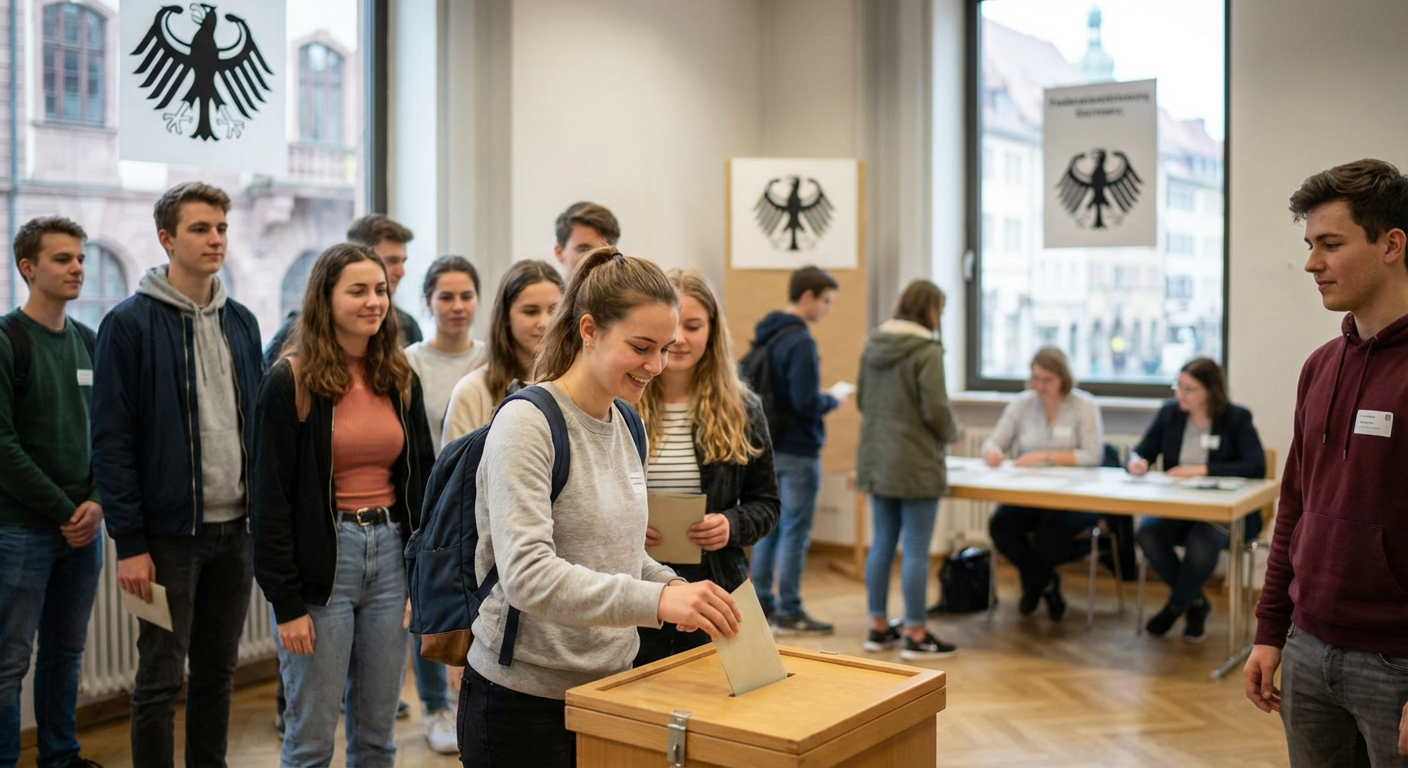
What made people leave their homes on a winter Sunday to cast ballots? Partly fear. The far-right Alternative for Germany party, the AfD, had been climbing in polls for months. Partly conviction. Younger voters especially sensed that Europe’s largest economy faced genuine crossroads decisions about Ukraine support, industrial policy, and immigration that wouldn’t resolve themselves. This wasn’t abstract anxiety. It was mobilization through TikTok and Instagram campaigns that bypassed traditional media gatekeeping entirely. The Federal Returning Officer documented over 1.2 million first-time voters participating, the largest cohort since German reunification in 1990. When you see numbers like that, you’re watching a political system respond to its own perceived stakes.
The Results Redrew the Map Faster Than Anyone Expected
Friedrich Merz’s Christian Democratic Union and Christian Social Union, collectively known as the CDU/CSU, won with approximately 28.5 percent of the vote. That’s not overwhelming. It’s barely above a quarter of the electorate. Yet it was enough to reshape the entire continental political architecture because of what came second. The AfD captured roughly 20.8 percent, its strongest federal performance ever. This wasn’t a regional phenomenon confined to eastern states. The party had penetrated deep into western industrial regions and suburban areas. For EU officials watching from Brussels and Paris, this result triggered genuine alarm. Twenty percent of German voters backing a party that questions NATO commitments and openly sympathizes with Viktor Orban’s Hungary changes the calculus for European defense spending, Ukraine aid coordination, and internal EU governance.
The historical weight of that AfD result is hard to overstate. Germany’s postwar political system was explicitly designed to prevent extremist fragmentation through high thresholds and constitutional guardrails. The 5 percent threshold that gates entry to the Bundestag was supposed to enforce moderation. Instead, the AfD cleared that bar years ago and kept climbing. You can read the Official German Federal Election Results and see the granular data, but the headline is stark: one in five Germans voted for a party that the entire postwar establishment considers beyond the pale. That’s a legitimacy problem that no coalition government can simply legislate away.
The Coalition Math Took Six Weeks and Exposed Real Constraints
Merz had a theoretical path to power. The CDU/CSU could form a coalition with either the Greens or the Social Democrats. But neither option was straightforward, and the negotiations took six weeks. That timeline matters because it wasn’t procedural leisureliness. It was substantive disagreement about fundamental policy directions. The Greens wanted aggressive climate investment and cautious military support for Ukraine. The Social Democrats, led by Scholz who was determined to remain relevant even in defeat, pushed for welfare spending and diplomatic solutions to the Ukraine conflict. Merz wanted NATO-aligned deterrence against Russia, lower corporate taxes, and tighter immigration controls. These weren’t compatible positions that clever drafting could bridge. They were genuine ideological fissures.
While negotiations dragged on, NATO allies publicly expressed concern. The absence of clear German leadership created a vacuum during a period when Ukraine desperately needed reassurance about continued military aid flows. That wasn’t European paranoia. It was rational worry about whether a new German government would maintain the bipartisan consensus on Ukraine support that Scholz and Merz’s predecessor Angela Merkel had built over years. The European Council on Foreign Relations: Germany Post-Election Analysis documents exactly how consequential this leadership gap felt in real time. When the world’s fourth-largest economy cannot articulate its foreign policy for six weeks, everyone from Warsaw to Washington watches nervously.
Why American Politics Should Actually Study This Carefully
Here’s where it gets interesting for American voters: Germany’s election delivered something that American politics has struggled with for twenty years. It produced a clear rejection of an incumbent coalition, channeled significant protest energy into a legitimate but ideologically uncomfortable outcome, and forced genuine governing constraints on the victor. Merz didn’t win a mandate. He won a plurality that required negotiation and compromise. That’s structurally different from how American presidential politics works, where 46 percent of the vote produces a president with substantial unilateral authority. But there’s a lesson embedded in the German outcome that transcends institutional differences.
The AfD’s 20.8 percent represents what happens when an entire cohort of voters feels permanently excluded from the political mainstream. They didn’t wake up on February 22 deciding to back a far-right party. That was the cumulative result of years spent feeling dismissed by establishment parties, ignored on immigration and economic anxiety, and convinced that the system was rigged against their interests. American voters currently making noises about supporting candidates outside the two-party consensus should pay attention to what happens next in German politics. The AfD is now constitutionally prevented from joining any government coalition because every other party refuses to legitimize it. That means 20.8 percent of German voters will spend the next four years more alienated than before, locked out of influence despite receiving one in five votes. Is that a problem? Absolutely. But so is letting extremist parties into governing coalitions. Germany’s mainstream parties chose the harder path: exclusion and continued delegitimization. American politics should think about what that costs and whether there are better alternatives.
The Turnout Question Points Toward Something Deeper
That 84.4 percent turnout, particularly among younger voters mobilized through social media, deserves genuine attention beyond the headline. It contradicts the fashionable assumption that democracy is withering everywhere. When stakes feel real and when young people see organizing possibilities outside traditional party structures, they participate. The youth-driven TikTok and Instagram campaigns that pushed turnout upward operated independently from official party machinery. They were distributed, horizontally organized, and vernacular in tone. Traditional political scientists would have dismissed them as ephemeral. Instead, they moved the needle on one of the highest turnout rates in modern German history.
That’s not grounds for easy optimism. High turnout can produce outcomes that horrify the people who mobilized it. Plenty of young Germans who campaigned against the AfD were probably devastated when it came in second. But it does suggest that political disengagement isn’t inevitable. It’s conditional. When citizens believe the outcome actually matters for their lives, when they see themselves reflected in the campaign messaging, when they have organizing channels that feel authentic rather than corporate-managed, they vote. American electoral strategists should be studying exactly what those youth mobilization campaigns looked like and how they moved German voters toward the polls. The mechanics matter more than most political coverage suggests.
What questions does this election raise in your mind about how democracies handle far-right parties, about what happens when mainstream coalitions exclude a fifth of the electorate, or about whether high turnout automatically produces better political outcomes? These aren’t rhetorical questions. Germany’s February election created real answers that will shape European politics for years. Your thoughts and observations are worth sharing.